Choosing between a Detroit luxury loft and a single-family home is not just about style. It is about how you want to live every day, how much control you want over your property, and what kind of upkeep feels manageable. If you are weighing city convenience against privacy and space, this guide will help you compare both options through a Detroit lens. Let’s dive in.
Detroit Living Starts With Daily Routine
In Detroit, the loft-versus-house decision often comes down to your day-to-day rhythm. The city’s planning framework separates lower-density residential areas, which often feature detached homes with front-yard setbacks and driveways or off-street parking, from medium- and high-density areas, which often include multi-unit buildings with common entrances and shared parking.
That distinction matters because your home type shapes how you move through the day. If you want a more walkable, urban routine with less hands-on maintenance, a loft may feel like the better fit. If you want more space, parking control, and outdoor access, a single-family home may line up better with your priorities.
Why Detroit Luxury Lofts Appeal
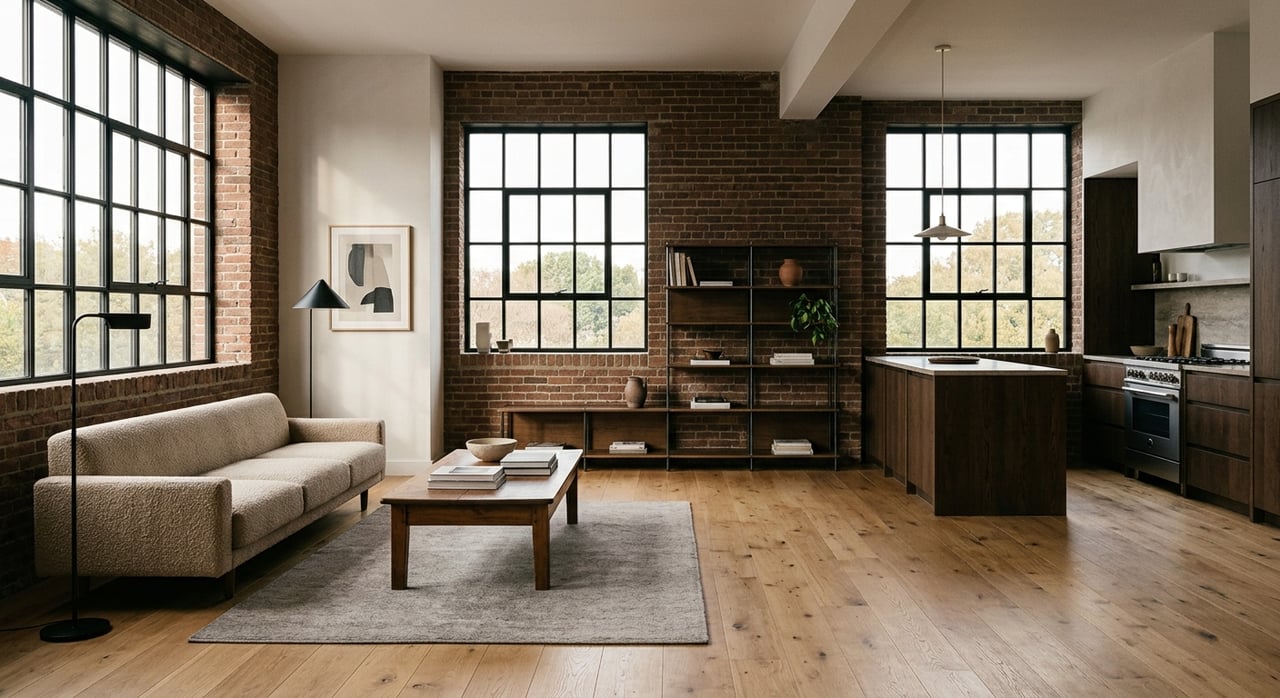
Luxury lofts and condos in Detroit often attract buyers who value proximity and convenience. The Downtown Detroit Partnership’s 2026 residential study found strong potential for more housing in Downtown and Greater Downtown districts, and nearly 64% of the market was younger singles and couples seeking walkable urban living.
That does not mean every loft buyer fits one profile. It does suggest, though, that Detroit’s urban housing demand is closely tied to lifestyle. If being near Downtown, Midtown, Corktown, Eastern Market, Lafayette Park, New Center, Rivertown, TechTown, Woodbridge, or nearby districts matters more to you than having a private yard, a loft can make a strong case.
Loft Benefits to Consider
A luxury loft or condo may fit you if you value:
- Lower day-to-day exterior maintenance
- Shared amenities and common spaces
- Walkable access to dining, work, or entertainment
- Less need for private outdoor space
- A more lock-and-leave lifestyle
Detroit’s 2025 housing cost analysis notes that multifamily housing can support affordability, amenities, maintenance-free living, and mobility. For a busy executive, a frequent traveler, or a buyer who wants a simpler routine, those advantages can carry real weight.
What Loft Ownership Really Means
A loft can reduce your personal maintenance load, but it does not remove ownership responsibilities. Under Michigan condominium rules, co-owners share common elements such as hallways, lobbies, building exteriors, recreation facilities, and shared systems.
You also pay monthly maintenance fees and may face assessments. Michigan’s Condominium Buyer’s Handbook states that associations must maintain a reserve fund for major repairs and replacement of common elements, with a minimum reserve equal to 10% of the annual budget on a non-cumulative basis. Fees and assessments can become a lien on the unit, so document review is essential before you commit.
Why Detroit Single-Family Homes Appeal
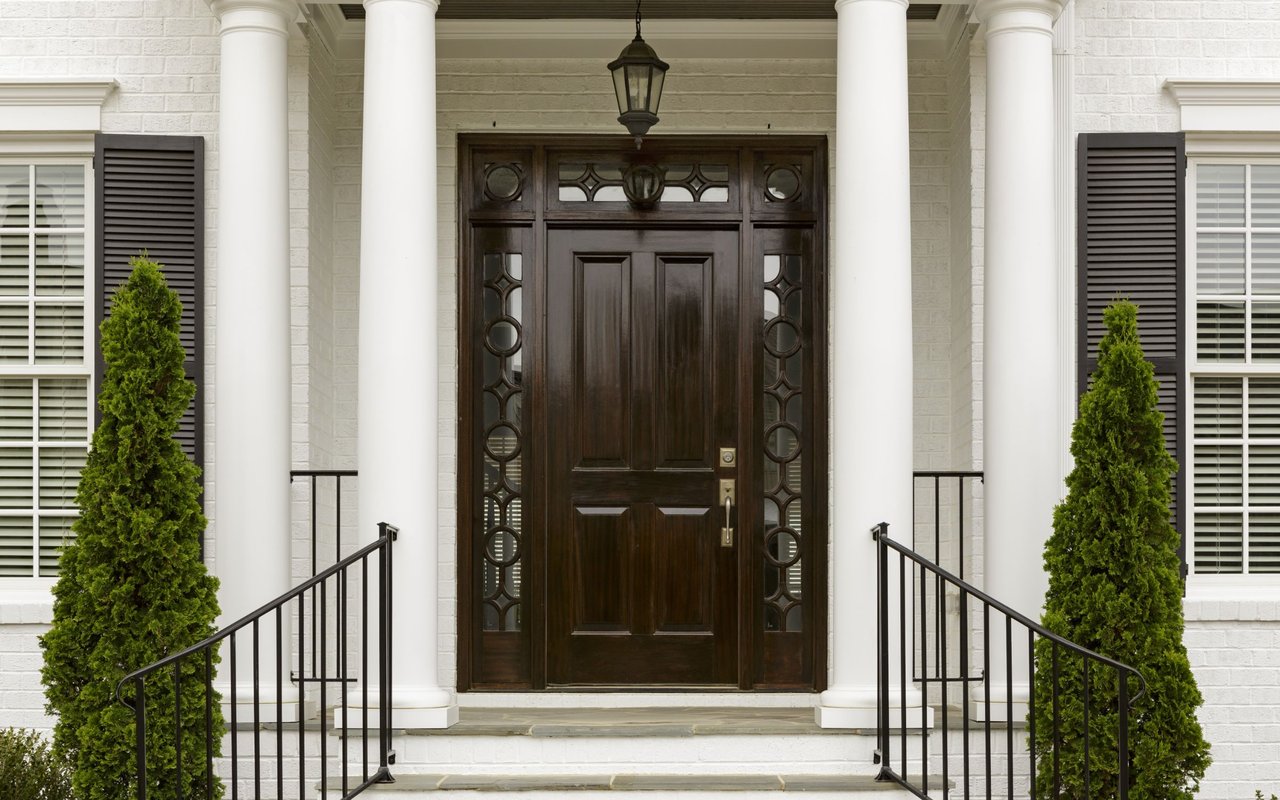
A single-family home offers a different kind of luxury. Instead of shared systems and common governance, you usually gain more direct control over your property, more privacy, more storage, and a stronger connection to outdoor space.
Detroit’s housing analysis says single-family homes typically offer more space, yard access, and room to customize. The city’s planning framework also ties lower-density residential areas to driveways and off-street parking, which can be a meaningful advantage if parking flexibility matters to you.
Single-Family Benefits to Consider
A detached home may fit you if you value:
- More privacy
- Private outdoor space
- Greater storage and parking flexibility
- Freedom to customize over time
- A longer-term ownership mindset
For many luxury buyers, those benefits support a more grounded lifestyle. If you see your purchase as a long-term home base or legacy asset, a detached property may offer the flexibility you want.
What House Ownership Really Means
More control also means more responsibility. With a single-family home, you are typically responsible for exterior upkeep, capital repairs, grounds maintenance, and long-term planning for major systems.
That direct responsibility can be a benefit if you prefer autonomy. It can also require more time, vendor coordination, and reserve planning than a loft purchase. In simple terms, you trade shared governance for personal control.
Parking, Outdoor Space, and Privacy
This is one of the clearest dividing lines between the two options. In Detroit’s planning framework, detached homes are commonly associated with driveways and off-street parking, while higher-density buildings are more closely tied to shared parking.
If you want to pull into your own drive, manage guest parking more directly, or maintain more privacy around arrivals and departures, a single-family home often checks those boxes more naturally. If you are comfortable with shared infrastructure and place a higher value on location and convenience, a loft may still come out ahead.
Outdoor space follows a similar pattern. A detached home usually gives you more direct access to yard space and more control over how it is used. A loft often means less private outdoor control, even when the tradeoff is a prime in-city location.
Due Diligence Matters More With Lofts
Every home purchase requires careful review, but the due-diligence path is often more layered with a loft or condo. Michigan’s Condominium Buyer’s Handbook says buyers should review the master deed and bylaws because those documents govern rights and obligations.
The handbook also states that associations must keep books and records and provide annual financial statements, and these documents must be available to prospective purchasers. In practice, that means you should closely review the association’s finances, reserve health, assessment history, and building rules before moving forward.
Loft Due Diligence Checklist
If you are considering a Detroit luxury loft, make sure you review:
- Monthly maintenance fees
- Past or pending special assessments
- Reserve fund strength
- Association bylaws and rules
- Annual financial statements
- What the association maintains versus what you maintain
This is where experienced guidance becomes especially valuable. A beautiful unit can still come with ownership terms that do not match your expectations.
Taxes and Primary Residence Status
For many buyers, taxes are less about loft versus house and more about how you will use the property. Michigan’s Principal Residence Exemption can apply to both condos and houses when the property is your principal residence.
The state says this exemption removes the local school operating millage, up to 18 mills, from an owner’s principal residence. The City of Detroit notes the same 18-mill relief for a taxpayer’s primary residence. If you plan to occupy the property as your main home, that status may matter more than the property type itself.
Detroit Market Context for Luxury Buyers
If you are leaning toward a detached home, it helps to understand where the market support tends to be. Detroit’s 2025 housing cost analysis says a representative new single-family home in its model cost about $447,700 after developer fee, while about 143 single-family homes sold for more than $350,000 in Detroit in 2024, mostly in neighborhoods with larger historic housing stock.
The same report notes that many parts of the city cannot support new-construction single-family pricing from an appraisal perspective. For luxury buyers, that often means the detached-home search is centered more on established higher-value areas than on broad new infill opportunities.
For loft buyers, the demand story is different. Downtown and Greater Downtown continue to show strong housing potential, especially for buyers drawn to walkable urban living and convenience.
Which Option Fits Your Lifestyle Best?
The best choice is rarely about which property type is better on paper. It is about which one supports the life you want to live in Detroit.
Choose a Loft If You Want
- Walkable urban living
- Lower day-to-day maintenance
- Shared amenities
- A convenient lock-and-leave setup
- Access to Downtown or Greater Downtown districts
Choose a Single-Family Home If You Want
- More privacy
- Yard access and outdoor control
- Driveway or off-street parking flexibility
- More room to customize
- A longer-term ownership approach
Commute is part of the picture, but not the whole story. Census Bureau QuickFacts data places Detroit’s mean travel time to work at 24.8 minutes, yet the bigger question is often whether you want a walkable routine or a more car-oriented one.
A Smart Decision Starts With Clarity
When you are buying at the luxury level, the right fit is often found in the details. A loft can offer ease, access, and a refined urban lifestyle. A single-family home can offer privacy, flexibility, and long-term control.
If you are comparing both, focus on the tradeoffs that affect you most: upkeep, parking, outdoor space, governance, and how you want your daily life to feel. If you want a discreet, tailored buying strategy in Detroit, the team at Crain Homes can help you evaluate the right opportunity with clarity and confidence.
FAQs
What is the main difference between a Detroit loft and a single-family home?
- A Detroit loft or condo usually offers more shared infrastructure, less day-to-day exterior maintenance, and a more urban routine, while a single-family home usually offers more privacy, yard access, parking control, and customization.
Are condo fees important when buying a Detroit luxury loft?
- Yes. Michigan’s condominium rules make monthly fees, assessments, reserve funding, and association finances important parts of the buying decision.
Does a Detroit single-family home usually offer more parking control?
- Often, yes. Detroit’s planning framework commonly ties detached homes to driveways and off-street parking, while higher-density buildings more often rely on shared parking.
Can the Michigan Principal Residence Exemption apply to both condos and houses in Detroit?
- Yes. If the property is your principal residence, the exemption can apply to both condos and houses and may remove up to 18 mills of local school operating millage.
Is due diligence different for a Detroit loft purchase?
- Yes. A loft or condo purchase often requires deeper review of association documents, financial statements, reserve funds, fees, and rules because ownership includes shared common elements and shared governance.
Which Detroit home type is better for long-term customization?
- A single-family home is usually the better fit if long-term customization, outdoor control, and direct decision-making matter most to you.