What makes one Franklin home feel instantly right while another, even at a similar price point, feels slightly off? In this village, buyers are often reacting to more than square footage or finishes. They are noticing how the home fits its setting, how it presents from the street, and whether its updates respect Franklin’s wooded, estate-style character. If you are buying or preparing to sell, understanding those signals can help you see Franklin the way the market does. Let’s dive in.
Why Franklin homes feel different
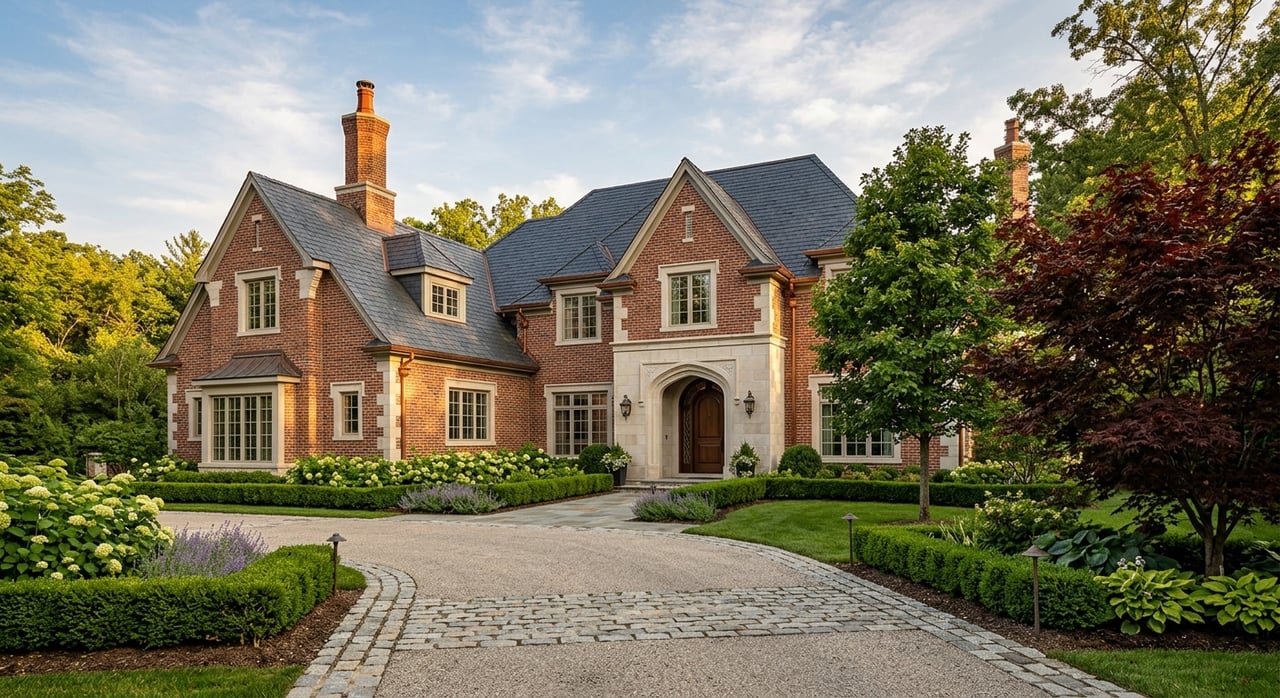
Franklin stands apart because the setting is part of the appeal. Village planning documents describe larger lots than surrounding communities, an average residential lot slightly above one acre, more than 20 homes on lots of three acres or more, and narrow, winding, tree-lined streets. That means buyers are not just evaluating the house itself. They are also paying attention to privacy, tree cover, and how the home sits on the land.
That wooded setting creates a distinct first impression. A home that feels tucked into the landscape often reads differently than one that feels too exposed or overly built out for its site. In Franklin, the lot, canopy, and approach can shape buyer interest before they ever step through the front door.
Franklin also has strong preservation standards. The village has both a National and Local Historic District, and exterior alterations, demolition, and new construction in the historic district are subject to design review. The local guidelines also note that landscape features, mature trees, fences, patios, and other site features are part of what the district is designed to protect.
Home styles buyers recognize quickly
Colonial Revival and historic colonials
Franklin’s historic district includes Colonial Revival as one of its important styles. These homes often stand out for symmetry, a centered or pronounced entry, front porches, double-hung windows, and classical detailing. Even if a buyer does not know the architectural label, they usually recognize the sense of balance.
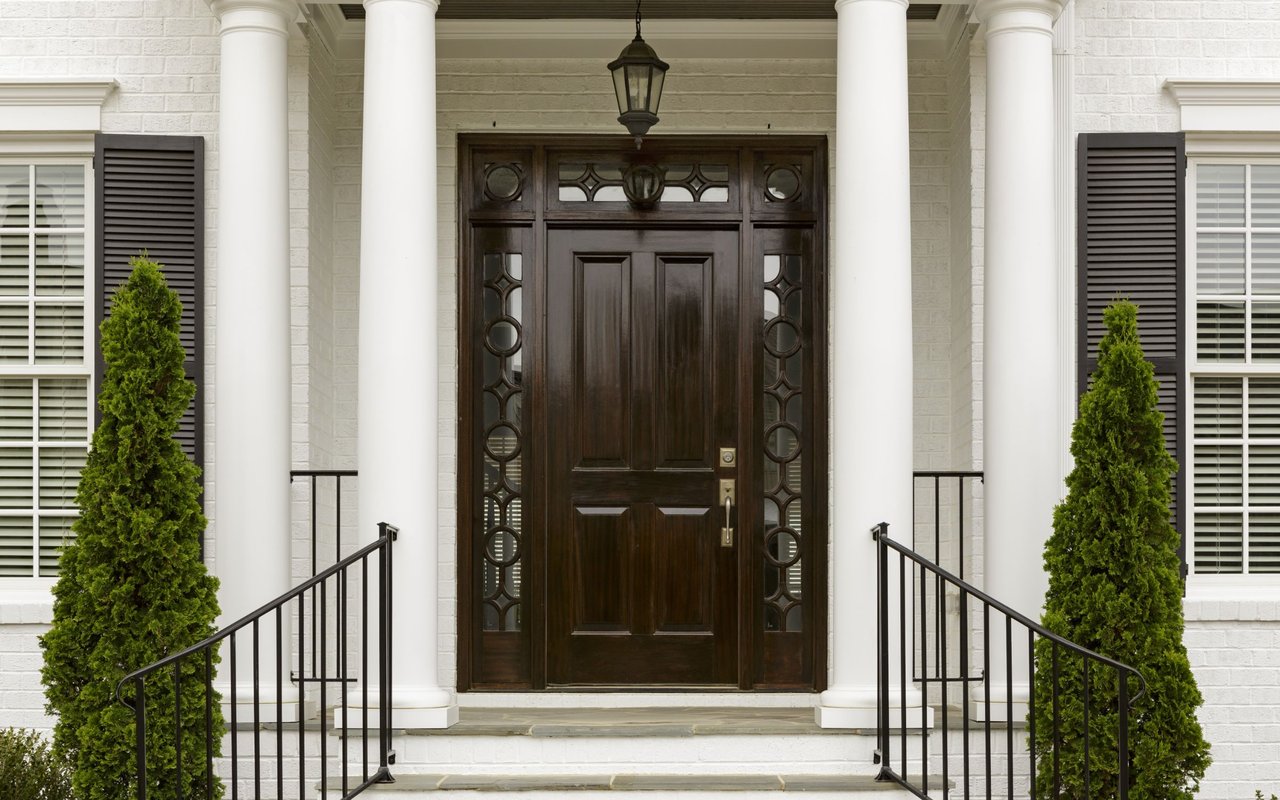
What buyers notice first is whether that balance still holds. They look at the front door, porch scale, window rhythm, and whether additions feel natural to the original home. If the façade feels disrupted or the proportions seem off, that can affect the home’s overall impression.
Franklin’s historic guidelines emphasize retaining original materials, preserving wall and foundation details, and avoiding false historic appearances. In practical terms, buyers often respond best when updates feel respectful rather than overly themed. A home does not need to feel frozen in time, but it should still feel true to itself.
Mid-century contemporaries
Franklin’s housing stock includes contemporary homes alongside historic properties. Mid-century modern and contemporary homes are often defined by open floor plans, sprawling footprints, low rooflines, wide eaves, and large areas of glass. Their appeal tends to come from light, flow, and a strong indoor-outdoor relationship.
In a wooded village like Franklin, those features can be especially compelling. Buyers often notice whether large windows frame the landscape well and whether the home still feels connected to the lot. They are also quick to sense whether a renovation preserved the original openness or closed it in.
These homes usually perform best when the architecture feels intentional. If materials, rooflines, or later updates seem mismatched, buyers may read the home as dated rather than timeless. When the design still feels clean and site-responsive, it often leaves a strong impression.
Farmhouse-influenced homes and custom builds
Some Franklin homes lean toward simpler farmhouse-influenced forms, while others are newer custom builds. Farmhouse-style homes are often defined by straightforward massing, side-gabled roofs, front porches, and practical additions over time. In Franklin, buyers usually respond best when that simplicity feels authentic rather than decorative.
For newer homes, compatibility matters. Franklin’s historic-district standards say new construction in protected areas should be compatible with surrounding historic buildings in height, form, scale, massing, proportion, roof shape, materials, setback, and orientation, while still being identifiable as new. Buyers tend to notice when a newer home respects the village character instead of competing with it.
That does not mean a newer home has to mimic an older one exactly. It means the home should feel well-judged on its lot, properly scaled, and visually at ease with the trees, setbacks, and neighboring architecture. In Franklin, restraint often reads as confidence.
What buyers notice during showings
The home’s position on the lot
Before buyers assess finishes, they often absorb the site. They notice the drive in, the setback from the road, the tree canopy, and whether the approach feels private. Because Franklin is known for large lots and wooded streets, the relationship between the home and the land carries real weight.
A well-sited home often feels calm and intentional. Buyers may not always describe that reaction in architectural terms, but they usually feel it. If the exterior feels crowded, over-cleared, or disconnected from the lot, that can weaken the effect.
Curb appeal and visible care
Curb appeal matters almost everywhere, but it has extra importance in Franklin. Research cited in the report shows that 97% of NAR members believe curb appeal is important in attracting a buyer, and 98% believe it is important to a potential buyer. In this market, that starts with basics like driveway condition, front-door presentation, lawn quality, and tree health.
Buyers also notice whether the exterior feels maintained without feeling overworked. Clean edges, healthy landscape maintenance, and an inviting front entry often do more than expensive but highly personal outdoor features. In Franklin, polished simplicity usually lands well.
Living spaces that signal daily comfort
Staging research in the report found that the living room is the most important room to stage, followed by the primary bedroom and the kitchen. That aligns with how buyers typically move through a showing. They are looking for spaces that help them picture everyday life.
In Franklin, those rooms matter even more when they connect well to the home’s style. In a Colonial Revival, buyers may notice proportion, window placement, and a sense of order. In a mid-century home, they may focus on light, openness, and the view out to the landscape.
Condition and move-in readiness
Visible condition remains a major factor. The research report notes that nearly half of buyers are less willing to compromise on the condition of the home they purchase. That means maintenance issues, worn finishes, and deferred repairs can stand out quickly.
For Franklin homes, the key is balancing character with readiness. Buyers often appreciate original details and architectural authenticity, but they still want the home to feel cared for. Clean finishes, working systems, and evidence of thoughtful upkeep can support value without stripping away the home’s identity.
Presale updates that usually pay off
If you are preparing to sell in Franklin, the most effective improvements are often practical rather than dramatic. The report points to strong resale results for a new steel front door, closet renovation, fiberglass front door, replacement windows, and selected living-area conversions. It also notes that painting and replacing the roof, if needed, were among the top agent-recommended projects.
That fits Franklin well. Buyers tend to respond to improvements they can see and feel right away, especially when those changes support the home’s style instead of distracting from it. A refreshed entry, clean paint, repaired roofline, and well-maintained windows often send a stronger message than a costly trend-driven renovation.
Outdoor work with the best signal
Outdoor improvements can also make a meaningful difference. According to the report, standard lawn care showed an estimated 217% cost recovery, while landscape maintenance came in at 104%. By comparison, more personalized features may not send the same broad resale signal.
In Franklin, that is especially useful guidance. Since buyers care so much about the landscape, the first dollars often belong in lawn care, pruning, clean beds, and preserving the sense of privacy. A tidy, healthy exterior supports the village character buyers came to see.
Improvements that can go too far
The risk in Franklin is not only under-improving. It is also over-improving in ways that ignore the lot, the architecture, or the district context. Large additions, highly themed updates, or exterior changes that distort the home’s proportions can make the property feel less aligned with what buyers expect here.
If the home is in Franklin’s historic district, exterior work should be checked carefully before permits are pulled. The village requires design review for exterior changes, demolition, and new construction. Even attractive ideas can become costly missteps if they overlook district standards or the home’s original scale.
How sellers can prepare strategically
The smartest Franklin prep usually starts with observation. Walk the property the way a buyer would. Notice whether the entry feels welcoming, whether the landscaping frames the house well, and whether the home reads as consistent with its style.
Then focus on the essentials:
- Declutter key rooms
- Deep clean the entire home
- Refresh paint where needed
- Address visible maintenance items
- Improve front-door presentation
- Tidy lawn and landscape features
- Review exterior work carefully if the home is in the historic district
This kind of preparation helps buyers focus on the home’s strengths. It also supports a more polished presentation, which matters in a village where buyers are often paying close attention to nuance.
The Franklin takeaway
Franklin buyers are often drawn to homes that feel authentic to their setting. They notice symmetry, light, window rhythm, porches, privacy, mature trees, and whether updates respect the home’s era and site. In other words, they are not just buying a floor plan. They are buying how the property lives within the village.
If you are planning a move in Franklin, it helps to look past surface trends and focus on what buyers consistently respond to here. A home that feels clean, well-kept, and visually at ease with its lot often makes the strongest impression. For estate properties and architecturally distinct homes, that kind of positioning can matter from the first showing onward.
If you are considering a sale and want discreet, tailored guidance on how your home may be perceived in today’s Franklin market, Crain Homes can help you evaluate the property’s style, setting, and presentation with a white-glove approach.
FAQs
What home styles do buyers notice most in Franklin?
- Buyers in Franklin often respond quickly to Colonial Revival and historic colonial homes, mid-century contemporaries, farmhouse-influenced homes, and newer custom builds that fit the village setting.
What matters most about a Franklin home’s exterior?
- Buyers often notice privacy, tree cover, driveway condition, front-door presentation, lawn quality, and whether the home feels well-sited on its lot.
What do buyers look for inside Franklin homes?
- Buyers usually focus on living rooms, primary bedrooms, kitchens, visible condition, and whether the interior updates feel consistent with the home’s original style.
Which presale updates make sense for Franklin sellers?
- Practical improvements like painting, front-door replacement, roof repairs if needed, decluttering, cleaning, and landscape maintenance often make the strongest impact.
What should sellers know about Franklin historic district rules?
- In Franklin’s historic district, exterior alterations, demolition, and new construction are subject to design review, while interior work is not.
Why do Franklin buyers care so much about the lot?
- Franklin is known for large lots, mature trees, and winding streets, so buyers often evaluate the land, privacy, and landscape character as closely as they evaluate the house itself.