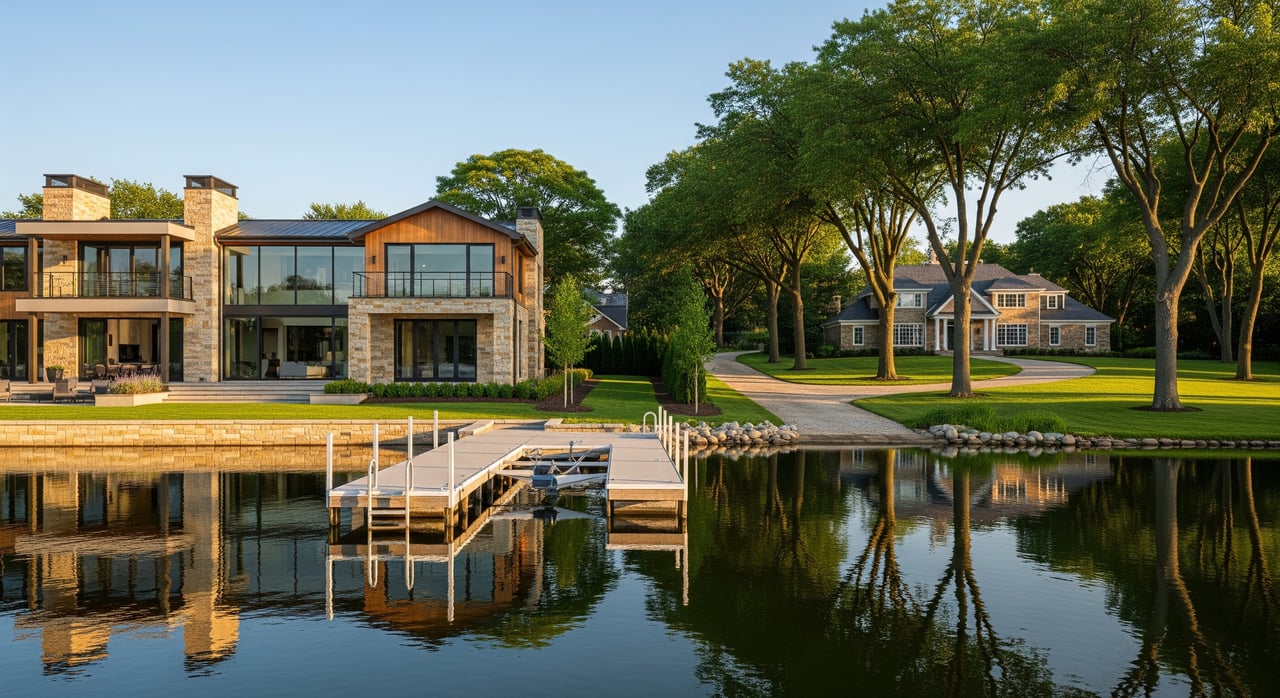
Are you picturing sunrise coffee on your own dock or a peaceful, wooded lot minutes from the water? In West Bloomfield, you can have either experience. Choosing between lakefront and off-lake living shapes your daily routine, long-term maintenance, and how you use the outdoors. This guide walks you through lifestyle tradeoffs, property details, costs, and the local rules that matter so you can decide with confidence. Let’s dive in.
West Bloomfield’s lake life at a glance
West Bloomfield Township is known for its many inland lakes, waterfront neighborhoods, and active recreation scene. Conditions vary from lake to lake, including size, navigability, public or private access, and neighborhood rules. Your best answers often come from specific sources for each property.
For clarity on permits, setbacks, and shoreline work, consult the township’s building and zoning offices. For property records, parcel maps, and septic oversight, check Oakland County departments. For lake access and riparian topics, look to the Michigan Department of Natural Resources and the Michigan Department of Environment, Great Lakes, and Energy. For flood mapping and insurance questions, review FEMA resources. Local lake associations can also provide meeting minutes, weed control history, and boat rules.
Lifestyle tradeoffs: waterfront vs nearby
What you gain on the water
- Direct access for boating, paddling, fishing, and winter ice activities.
- Year-round views that bring the lake into your daily life.
- A social rhythm with seasonal lake activity, boat wakes, and lakeside gatherings.
These homes attract you if water is part of your everyday routine and you want the ease of stepping out to the dock. You accept some seasonal noise and visitor traffic at your shoreline in exchange for the lifestyle.
What you gain off the lake
- Quieter streets and more private yards set back from the water.
- A wider range of lot types, including wooded settings and larger footprints.
- Access to the same lakes via public launches or private access points, with a short drive or walk.
Off-lake living works if you want proximity to the water without its daily activity in your backyard. You still enjoy the lakes while often getting more space and flexibility at home.
Property features and design considerations
Lakefront characteristics
- Common features include private docks, shoreline stabilization, and outdoor spaces oriented to the water.
- Lot shapes may be narrow along the shore, and slope can limit flat backyard space.
- Construction often accounts for moisture, freeze-thaw, and shoreline conditions. You may see elevated foundations, walkouts, and materials chosen for water exposure.
Off-lake characteristics
- Larger yards and more options for landscaping, pools, or outbuildings.
- Fewer shoreline setbacks, which can make additions or new construction easier to plan.
- No shoreline-specific infrastructure to maintain.
Cost, resale, and insurance realities
The waterfront premium in context
Waterfront homes typically command a premium over comparable off-lake properties in the same area. The size of the premium depends on lake quality, navigability, inventory, and demand. In West Bloomfield, those factors vary by lake and even by shoreline segment, so use recent lake-specific comparables when you evaluate value.
Waterfront inventory can be limited, and comps may be sparse when appraising. Off-lake homes generally have more comparable sales and may appeal to a broader buyer pool. When timing matters, consider how quickly similar properties have traded on your target lake and in nearby neighborhoods.
Maintenance and ongoing costs
Lakefront ownership often includes shoreline stabilization, dock upkeep, and potential weed or milfoil management. Erosion control and riprap can require periodic maintenance and must follow local and state rules. These are predictable costs when you plan for them.
Many West Bloomfield homes connect to municipal sewer and water, though some shoreline or semi-rural parcels may rely on a well or septic system. Verify utility details for each property and understand replacement options if a system nears the end of its life.
Insurance and flood factors
Waterfront properties can face higher insurance costs due to wind exposure, water intrusion, and potential flood claims. Flood risk is parcel specific. Proximity to the lake does not automatically place a home in a mapped flood zone, but elevation and topography matter.
Request insurance quotes early and ask whether an elevation certificate exists. If a home sits in or near a mapped flood zone, that document can influence pricing and underwriting.
Rules, permits, and lake health in Michigan
Riparian rights and access
In Michigan, riparian rights grant certain privileges to lakefront owners, including access to the water and reasonable dock placement. The exact rights depend on the lake’s status and any recorded covenants or association rules. Distinguish between public lakes with launches and private lakes or private access that may restrict use.
Shoreline work and setbacks
Many activities at or near the water require approvals. Docks, seawalls, riprap, dredging, and vegetation removal can trigger permits with the township and state. Confirm setbacks, maximum dock configurations, and accessory structure rules with West Bloomfield’s building and zoning offices.
Septic and water
If a property uses a private septic system or well, Oakland County regulates permitting and inspections. Lakeshore lots can face constraints on septic replacement due to proximity to water. Some sites may require advanced or mound systems.
Flooding and erosion
FEMA flood maps identify special flood hazard areas based on elevation and local topography. Lakeshore parcels may fall within higher risk zones, while others do not. If you are in or near a mapped zone, request an elevation certificate and a flood insurance quote as part of your diligence.
Invasive species and water quality
Michigan lakes can be impacted by invasive species such as Eurasian milfoil, zebra mussels, and curly-leaf pondweed. Lake associations and state agencies often coordinate prevention and treatment. Water clarity and algae can vary by lake and season, so review recent reports and management history.
A clear decision framework
Choose lakefront if private, daily access and year-round views are central to your lifestyle. You are comfortable with a higher purchase price, seasonal activity on the water, and shoreline-specific maintenance and permits.
Choose off-lake if privacy, larger lots, and lower ongoing shoreline obligations matter more to you. You still enjoy the same lakes through public or private access, often with more flexibility for future improvements.
Before you commit, visit target lakes at different times and days to experience boat traffic, noise, and neighborhood patterns. Pay attention to topography, sun exposure, and how the shoreline is used across seasons.
Due diligence checklist for West Bloomfield buyers
Questions to ask about a property and lake
- Is the lake public or private, and who controls access or easements?
- Are there recorded covenants, HOA or lake association rules affecting boats, docks, rentals, or shoreline work?
- What permits exist for the dock or seawall, and are there any violations?
- Has the shoreline been stabilized or dredged, and under which permits?
- What is the FEMA flood zone designation, and is there an elevation certificate or flood history?
- Does the home connect to municipal sewer and water? If not, request septic and well records.
- Are there known invasive species or algae concerns, and what management has occurred?
- Are there no-wake or wake restrictions, and what is typical seasonal boat traffic?
Inspections and documents to order
- Full home inspection with attention to moisture and foundation conditions.
- Structural review of docks, boathouses, seawalls, and shoreline structures.
- Septic inspection and well water testing if applicable.
- Elevation certificate or flood elevation data with an insurance quote.
- Title review for riparian rights, easements, and restrictions.
- Shoreline condition report or erosion expert opinion for steep or active sites.
Professionals to line up
- Local real estate agent with waterfront experience in West Bloomfield.
- Township building and zoning staff for permit history and setbacks.
- County health department for septic, and the assessor for tax details.
- Licensed surveyor for boundary confirmation.
- Title company familiar with riparian matters.
- Shoreline or erosion contractor if improvements are planned.
- Lake association contact for meeting minutes and assessment history.
Offer and disclosure tips
- Include contingencies for dock and shoreline permit history, proof of no violations, and a satisfactory shoreline inspection if you value private access.
- If you sell, disclose permits, maintenance history, lake association dues, and any special assessments to reduce the risk of disputes.
Final thoughts
Both paths can be exceptional in West Bloomfield. Lakefront living delivers unmatched access and views, while off-lake homes often provide space, privacy, and simpler ownership. The right choice depends on your daily routine, appetite for maintenance, and how you plan to use the lake through the seasons.
If you want a discreet, senior-level advocate to guide you through lake-specific due diligence, comparables, and off-market opportunities, connect with Crain Homes. Our boutique team brings waterfront expertise, a vetted vendor network, and white-glove representation tailored to your goals.
FAQs
What is the main difference between lakefront and off-lake living in West Bloomfield?
- Lakefront offers direct water access and views with shoreline maintenance and seasonal activity, while off-lake provides quieter lots, more space, and access via launches or private points.
How do I know if a West Bloomfield lake is public or private?
- Confirm with township records, MDNR references, and lake association documents, and review recorded plats or covenants for access rules and restrictions.
Do all lakefront homes require flood insurance in West Bloomfield?
- No. Flood risk is parcel specific; check FEMA maps, request an elevation certificate if needed, and obtain insurance quotes during due diligence.
What inspections are essential for a lakefront purchase?
- In addition to a standard home inspection, order evaluations of docks and seawalls, septic and well tests if applicable, and obtain flood elevation data or an elevation certificate.
Are there extra permits for shoreline work on West Bloomfield lakes?
- Many shoreline activities require approvals from the township and state; confirm setbacks, dock configurations, and permits before starting any work.
How do invasive species affect lakefront ownership?
- Invasive species can influence recreation and maintenance costs; review lake association reports for weed management history and current conditions before you buy.