Thinking about updating a historic Franklin home without stripping away what makes it special? That balance is exactly the challenge, and the opportunity, that draws many buyers and owners to the village. If you want a home that lives well today while still respecting its architectural story, a thoughtful plan matters. Let’s dive in.
Why Franklin's Historic Context Matters
Franklin’s historic district is more than a collection of older homes. According to the Village of Franklin Historic District Design Guidelines, the district includes early-settlement buildings, streetscapes, trees, and landscape features that define the village’s historic core.
That context shapes how updates should be approached. The village notes that the district was listed on the National Register of Historic Places in 1969 and that Franklin created its local historic district in 1971. Just as important, the guidelines make clear that the district exists to guide change, not freeze the village in time.
For you as a homeowner or buyer, that means modern improvements are possible. The goal is not to avoid updates, but to make them in ways that respect the home’s character and the broader streetscape.
Know What Requires Approval
If a home is within Franklin’s historic district, exterior changes usually require review by the Historic District Commission before a permit can be issued. The village says this review can apply to construction, additions, alterations, repairs, moving, excavation, demolition, and major landscape changes.
Interior work is generally not reviewed unless it creates visible exterior changes. That distinction is helpful if you are planning a kitchen renovation, bathroom refresh, or systems upgrade that stays largely inside the home’s existing shell.
Because the approval process comes early, timing matters. It is wise to review the Franklin design guidelines before ordering materials or committing to a contractor for any exterior project.
Preserve Character-Defining Features First
Not every old feature carries the same importance. Franklin’s guidelines identify several elements that often define a home’s architectural character, including roofs, chimneys, porches, windows, wood siding, gutters, and landscaping.
Franklin also includes a range of architectural styles, such as Greek Revival, Vernacular, Queen Anne, Colonial Revival, American Foursquare, and Craftsman. That means the right update for one property may not be right for the next, even if both homes were built generations ago.
Focus on Roofs and Chimneys
Rooflines often shape the first impression of a historic home. Franklin recommends retaining roof shape and decorative elements like cupolas, cresting, chimneys, and weathervanes whenever possible.
The village also advises owners to keep roofs weather-tight and avoid adding features such as dormers, skylights, vents, balconies, or rooftop equipment in ways that compromise historic character. In practice, this means performance upgrades should be planned carefully so they do not visually overpower the home.
Treat Windows as Architectural Assets
Windows are one of the most sensitive parts of a historic update. Franklin’s guidelines say windows should remain in their original location, size, and design, with original materials and pane counts retained where possible.
Just as important, repair should come before replacement. The guidelines state that replacement windows must fit the historic opening, and the National Park Service notes that primary, street-facing elevations usually require a closer match than secondary elevations. If you are evaluating cost, curb appeal, and compliance at the same time, this is an area where experienced guidance can save you from expensive missteps.
Protect Porches and Entry Features
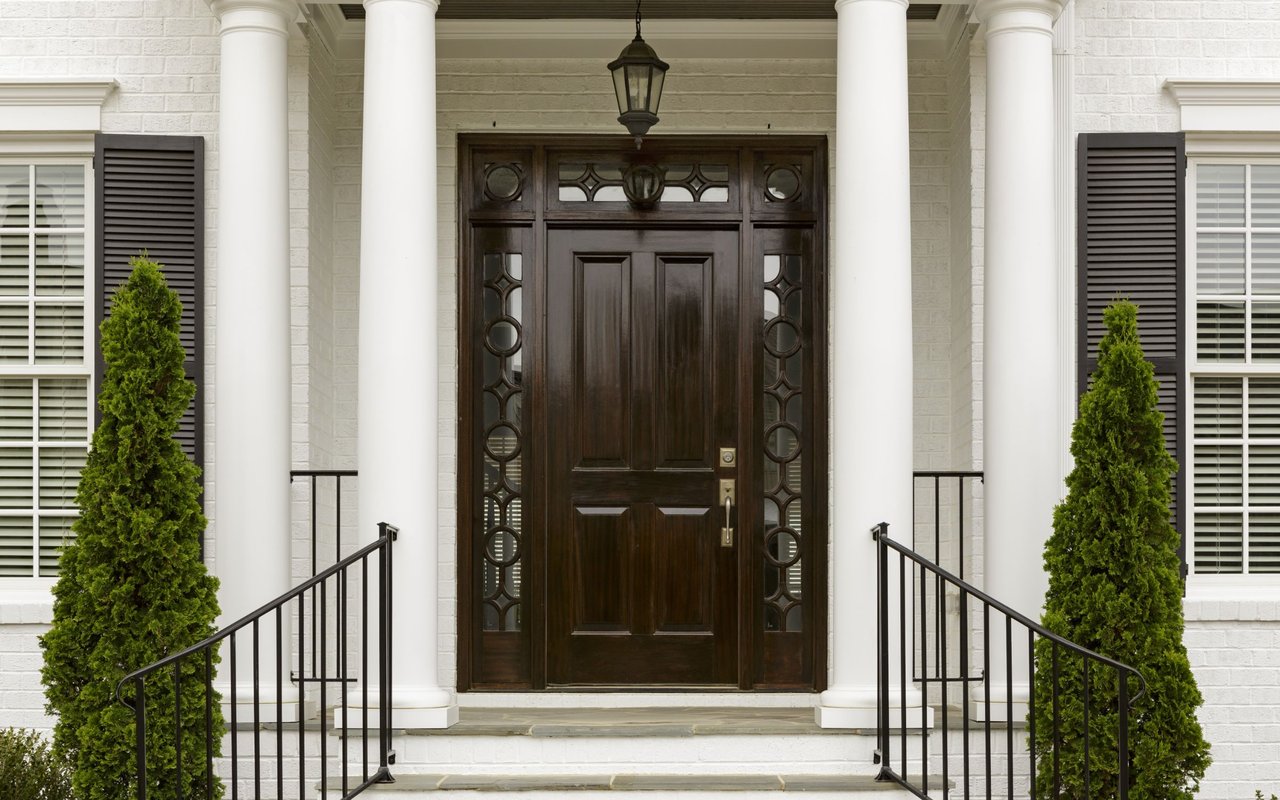
Front porches often carry a large share of a home’s visual identity. Franklin recommends retaining and preserving character-defining porch features, including columns, railings, floors, and ceilings.
The guidelines also say enclosing a front porch is usually not appropriate. If a detail has deteriorated, the preferred approach is to replace only the damaged portion in kind rather than removing the entire feature.
Respect Site Features and Drainage
Historic stewardship is not limited to the house itself. Franklin encourages owners to preserve mature trees, hedges, gardens, fences, patios, site topography, and significant views.
The village also emphasizes maintaining gutters and downspouts so water does not damage the building. That practical step may not feel glamorous, but it is one of the most important ways to protect both value and structure over time.
Modernize the Interior Thoughtfully
Many of the best modernization opportunities are inside the home. The National Park Service distinguishes between primary spaces and secondary spaces, and that framework is especially useful when planning updates.
According to the NPS treatment guidelines, entrance halls, living rooms, corridors, double parlors, and stairways are more likely to be primary spaces that should be retained or only minimally altered. Kitchens, bathrooms, utility rooms, attics, basements, rear hallways, and similar service areas are typically secondary spaces, making them the best places for functional improvements.
Update Kitchens and Baths in Secondary Spaces
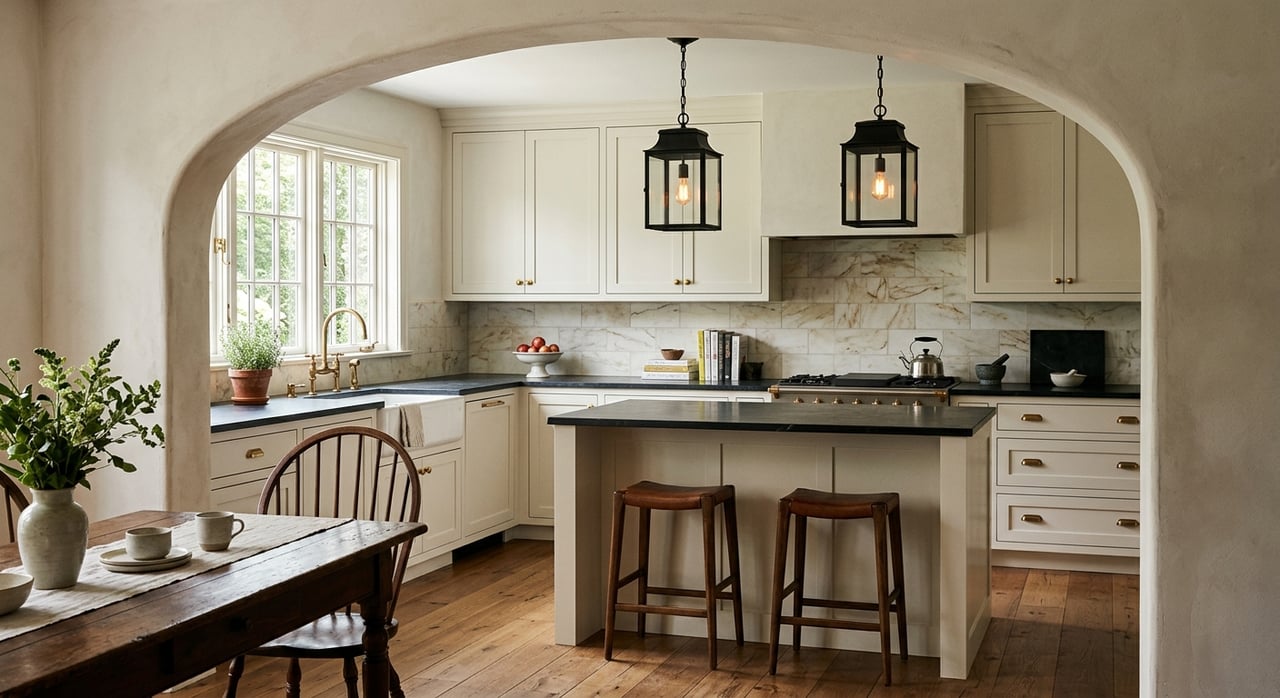
If you want a historic Franklin home to function better for modern living, kitchens and baths are often the right place to invest. The strongest preservation strategy is usually to modernize these existing secondary spaces without disrupting the home’s main rooms and circulation patterns.
NPS specifically recommends locating new bathrooms and mechanical equipment in secondary spaces to preserve the most significant interior areas. That approach can help you gain convenience while keeping the home’s original flow and architectural identity intact.
Plan Additions With Restraint
Sometimes interior reconfiguration is not enough. When more space is truly needed, both Franklin and the National Park Service favor additions on rear or secondary side elevations.
They also recommend keeping additions smaller and subordinate to the original structure, limiting loss of historic material, and designing new work so it is compatible but still distinguishable from the older building. In simple terms, the addition should support the house, not compete with it.
Improve Efficiency Without Overcorrecting
Historic homes can be updated for comfort and efficiency without forcing them into inappropriate solutions. The National Park Service weatherization guidance recommends starting with an energy audit and then focusing on strategies that minimize impact on historic materials and design.
Practical improvements can include air sealing, repairing or upgrading windows and doors, using efficient HVAC and electrical systems with programmable controls, adding insulation judiciously, and choosing ENERGY STAR appliances. HVAC ducts are often best concealed in closets, attics, basements, crawl spaces, or carefully placed soffits.
For many Franklin homes, this measured approach works better than aggressive replacement. You can often improve comfort significantly without compromising the features that give the property its identity.
Address Moisture Before Cosmetic Work
One of the biggest mistakes in older homes is focusing on finishes before fixing the source of deterioration. The National Park Service identifies uncontrolled moisture as the most prevalent cause of deterioration in older and historic buildings.
Before you refinish walls, rebuild trim, or select high-end finishes, it is smart to investigate roof condition, flashing, gutters, downspouts, grading, runoff, ventilation, and hidden leaks. The NPS guidance on controlling moisture also recommends consulting qualified professionals when the cause is not obvious.
In a luxury property, moisture problems can undermine both preservation goals and long-term value. Solving them early helps protect the investment you are making in the home.
Avoid Shortcuts That Hurt Long-Term Value
Historic updates can go wrong when speed takes priority over stewardship. Franklin specifically discourages sandblasting, waterblasting, power washing, painting historically unpainted masonry, removing healthy mature trees, enclosing front porches in ways that diminish historic character, and replacing repairable windows simply because they show peeling paint or air infiltration.
These are not just aesthetic concerns. Franklin’s guidelines state that the Historic District Commission’s goals include stabilizing and improving property values and strengthening the local economy. In other words, thoughtful preservation supports market appeal as well as visual integrity.
What This Means for Buyers and Sellers
If you are buying in Franklin, due diligence should include more than layout and finishes. You should also understand whether a property is in the historic district, which features are especially important to preserve, and whether past updates appear consistent with local guidance.
If you are preparing to sell, a well-stewarded home often tells a stronger story. Buyers are often drawn to homes that offer modern comfort while retaining original windows, porches, rooflines, landscaping, and interior character where it matters most.
A nuanced property deserves nuanced representation. Whether you are evaluating a purchase, considering a renovation before listing, or weighing how to position a historic home in today’s market, Crain Homes brings the local perspective and tailored guidance that distinctive Franklin properties require.
FAQs
What approvals are usually required for exterior work on a historic Franklin home?
- In Franklin’s historic district, exterior alterations, demolition, new construction, and many major site changes typically require Historic District Commission review before a permit can be issued.
What parts of a historic Franklin home should usually be preserved first?
- Franklin’s guidelines give special priority to character-defining features such as roofs, chimneys, porches, windows, wood siding, gutters, and important landscape elements.
Where should kitchen and bathroom updates go in a historic home?
- The National Park Service generally recommends placing kitchen, bath, and mechanical upgrades in secondary spaces such as existing kitchens, bathrooms, utility rooms, attics, basements, and rear hallways.
Can you add modern systems to a historic Franklin home?
- Yes, but the best approach is usually low-impact improvement, such as air sealing, careful insulation, efficient HVAC, upgraded windows or doors where appropriate, and discreet placement of ducts and equipment.
Why is moisture control so important in older Franklin houses?
- The National Park Service says uncontrolled moisture is the most common cause of deterioration in older and historic buildings, so issues like roof leaks, faulty gutters, poor grading, and hidden water intrusion should be addressed before cosmetic renovations.